The Ultimate List for Choosing Quality Memory Care
Business Name: BeeHive Homes of Albuquerque NM - Assisted Living Facility
Address: 6401 Corona Ave NE, Albuquerque, NM 87113
Phone: (505) 221-6400
BeeHive Homes of Albuquerque NM - Assisted Living Facility
BeeHive Village is a premier Albuquerque Assisted Living facility and the perfect transition from an independent living facility or environment. Our Alzheimer care in Albuquerque, NM is designed to be smaller to create a more intimate atmosphere and to provide a family feel while our residents experience exceptional quality care. Memory loss, dementia and Alzheimer's disease are becoming quite pervasive in our society. Dementia care assisted living in Albuquerque NM offers catered memory care services, attention and medication management, often in a secure dementia assisted living in Albuquerque or nursing home setting. We invite you to come and visit our elder care and feel what truly makes us the next best place to home.
6401 Corona Ave NE, Albuquerque, NM 87113
Business Hours
Families seldom get to memory care after a single conversation. It normally follows months of discovering little shifts that start to feel like big risks: a stove left on, a misread medication bottle, brand-new suspicion around familiar faces. Quality dementia care is not almost a safe building. It has to do with life that protects dignity, lowers distress, and supports the whole family through changing needs. The distinction between a typical community and a strong one appears in the little things you see on a Tuesday afternoon, not the staged tour on Saturday.
This guide distills what matters most when you evaluate memory care, consisting of practical concerns to ask, how to find warnings, what excellent looks like in numbers rather than pledges, and how respite care can function as a low threat trial. It reflects what families, clinicians, and operators learn the hard method when theory satisfies daily practice.
Begin with a clear picture of needs and trajectory
Before calling communities, sketch a basic profile of the individual you enjoy. Compose 3 to five sentences that record where they are today and what might change in the next year. Include diagnosis stage if known, what activates stress and anxiety or confusion, sleep patterns, mobility, toileting, swallowing, and any history of roaming or aggression. Note how much help is required for bathing, dressing, medications, and meals. Include one line about what brings them pleasure or calm, such as baking, birdwatching, or gospel music.
A memory care program can stand out with one profile and struggle with another. For instance, a resident with moderate Alzheimer's who enjoys group activities might flourish in a lively family design, while somebody with Lewy body dementia and visual hallucinations may require a quieter, lower stimulus wing with staff proficient in confirming distress without confrontation. Think ahead, not just to the next 3 months, but to the next year. If strolling is strong now however gait is shuffling and falls are increasing, plan for possible wheelchair usage and transfers. If nighttime wakefulness is frequent, confirm overnight staffing and protocols.
What quality looks like in staffing and training
The heart of dementia care is people, not paint colors. Ask for specifics, not slogans. You want adequate personnel, with the right preparation, who understand citizens as individuals and stay enough time to develop trust. A solid program will share the following without hesitation.
During daytime hours, direct care staffing frequently ranges from one caretaker for 6 to one for eight citizens. Over night ratios memory care near me tend to extend, typically one to ten and even one to twelve, which can be safe if citizens sleep and nurses float. Request for typical ratios by shift and by day of the week. Weekends can be lean. Likewise ask about the charge nurse model: is a licensed nurse on website 24 hours or on call after 7 p.m. Many high quality communities keep an LVN or RN on site around the clock or within a campus, which matters when habits intensify or a medical concern arises.
Training ought to surpass a single state mandated orientation. Expect a minimum of 12 to 24 hr of preliminary dementia specific training plus ongoing refreshers every quarter. Search for content on communication techniques, reacting to distress, nonpharmacologic behavior approaches, safe transfers, and how to acknowledge delirium versus disease progression. Strong programs run month-to-month case reviews and coaching on the floor rather than one time classroom slides. Ask how they assess competency, not just attendance.
Continuity decreases stress and anxiety for residents living with memory loss. Ask about turnover rates and the average tenure of caregivers and nurses in the memory care unit. A program with stable staff will typically have tenure averages above two years for caregivers and 3 years for nurses. If turnover is high, probe the reasons. Sometimes new leadership is restoring a culture. In some cases the model is stretched too thin.
Safety and thoughtful environment design
A locked door alone does not make memory care safe. The best environments expect risks and reduce them without feeling like a healthcare facility. Search for clear sightlines from staff work areas into typical areas. Lighting needs to be even, with very little glare and shadow, because depth perception modifications with dementia. Floor covering shifts must be subtle and non reflective. Strong communities use contrasting colors on grab bars and toilets to enhance visual acknowledgment. Handrails along passages and sturdy, well spaced furnishings avoid falls.
Secure outside access is a bright line problem. People need nature, fresh air, and sunlight. A quality program offers a safe courtyard or garden that residents can reach daily, not just during planned activities. Ask the number of days weekly citizens go outside in winter season and in summer. If the answer is unclear, pay attention.
Wandering or exit seeking takes place in lots of types. Ask to see the elopement policy, not simply the alarm system. You are trying to find layered security: perimeter security, door chimes or informs that tie to personnel badges or phones, routine head counts, and a calm redirect protocol that avoids restraint. Ask how many elopements, tried or completed beyond a safe perimeter, happened in the past 12 months. A transparent program will share the number and what they altered to reduce risk.
Health management, medications, and medical coordination
Memory care sits at the intersection of senior care and healthcare. You require a team that manages persistent conditions, avoids preventable hospitalizations, and uses medications judiciously. Ask who is the medical director, how typically they round, and how after hours protection works. Some neighborhoods partner with home call practices, which can cut emergency department journeys by handling immediate concerns on site.
Medication management is where trouble frequently conceals. Validate whether 2 person verification is used for high risk meds, how typically medication passes take place, and whether an electronic MAR remains in location. Request the rate of medication errors over the past year and how they were attended to. In dementia care, making use of antipsychotics need to be firmly kept an eye on. Ask what portion of citizens are on antipsychotics not related to schizophrenia or bipolar illness. Strong programs track this and attempt to keep rates in the single digits or low teenagers. More vital than a number is the process: clear rationale, notified consent, routine attempts to taper, and non drug alternatives always first.
Hospital transfers create confusion and functional decrease. Request their thirty days readmission rate and the most common reasons for transfer. Also ask how they manage modifications in condition over night. Neighborhoods with nurses on site 24 hr often avoid unnecessary transfers by evaluating and treating early.
Daily life that seems like life
A calendar filled with generic bingo informs you extremely bit. Every day life in memory care ought to match the resident's long-lasting routines and preferences. Look for hints that mornings are calm, with music at a volume that suits individuals simply waking, not a roaring television. Breakfast needs to stretch to accommodate late risers, not require everyone into a 7 a.m. Slot. A great program offers little group engagement at different times, since attention spans differ and sundowning can strike late afternoon.
Activity personnel are only part of the story. The very best programs train every caretaker to use small minutes while assisting with care. Folding hand towels while awaiting the shower to warm up. Setting tables together to develop function before lunch. Checking out a picture box to ease agitation during dressing. These are not add ons. They are the work.
Families sometimes stress that a quiet resident is neglected because they are easy. Ask how they track involvement and how they adapt when someone withdraws. Try to find evidence of one to one engagement: checking out aloud, hand massages, or brief walks. Ask what happens in between 5 p.m. And 8 p.m., when sundowning can peak. Do they dim lights, offer a tea cart, or set citizens with personnel who have the perseverance to stroll and reassure rather than coax everybody to sit.
Behavior support that protects dignity
Behavior in dementia is interaction. Behind aggression there is frequently pain, fear, sensory overload, or a mismatch in between need and capability. A strong program utilizes a structured method such as a habits mapping tool, where personnel file antecedents, habits, and consequences to expose patterns. They train personnel to utilize recognition and redirection instead of confrontation, to offer choices that decrease the sense of being trapped, and to prevent quick fire explanations that overwhelm.
Ask for an example of a challenging habits they just recently supported and what they altered. A good response may explain how nightly agitation enhanced after changing a noisy roommate fan, including a warm blanket at 7 p.m., and shifting a diuretic to previously in the day, instead of just including a sedative.
Family collaboration and communication rhythm
Families are not visitors in memory care. They are co historians, advocates, and partners in care. Weekly interaction that states more than "she had a great week" signifies quality. Ask what routine updates you will get, by call or e-mail, and the standard time frame for signals about falls, behavior modifications, or new orders. Ask whether there is a household council or routine care plan meetings, and whether families can suggest topics.
Good programs do not hide during difficult days. They welcome you to generate a life story, music playlists, favorite snacks, and individual products that soothe. They ask for your training on phrases to prevent, or labels that comfort. They inform you when they tried something and it did not work. The partnership seems like a shared issue solving loop, not a report card.
Cultural fit and respecting identity
A resident's identity does not stop at the unit door. Dietary preferences, language, faith practices, and day-to-day routines all shape comfort. If English is a second language, ask whether any caretakers speak your household's language and whether signs supports wayfinding with photos and color. If faith is main, ask whether services or visits are readily available. Food is culture. Peek at a menu and ask whether alternatives are genuine choices, not just a ham sandwich every day.
Look for individual rooms that reveal life, not hotel sterility. Pictures on the wall, a favorite quilt, a radio tuned to familiar stations. Ask whether you can reorganize furniture to simulate a home layout that makes good sense to your loved one. Small details, such as a noticeable analog clock, can decrease anxiety.
Respite care as a bridge and a test drive
Respite care, short-term remains that last a few days to a couple of weeks, can be a smart method to check a neighborhood. It gives your loved one a mild trial while you capture your breath. Respite also reveals how personnel respond without the polish of a sales tour. You will see early morning routines, mealtimes, and how they relieve shifts when someone is new and disoriented.

Costs for respite vary by market, but many programs charge an everyday rate in the series of 200 to 350 dollars, typically including provided spaces and meals. Some use a portion of respite charges to relocate expenses if you transform to irreversible memory care within a set window. Ask about capability, notice required, medication handling, and whether therapy services can be organized throughout the stay. If you are on the fence about a neighborhood, a five to 7 day respite often brings clarity much faster than duplicated tours.
Costs, agreements, and where charges hide
Memory care prices generally mixes a base rate for space and board with a tiered care level charge. Base rates typically fall in between 4,500 and 7,500 dollars monthly, depending upon location and room type. Care level costs might add 500 to 2,000 dollars or more based on an assessment of support with bathing, toileting, transfers, and habits assistance. Some neighborhoods charge à la carte for transportation to appointments, incontinence supplies, medication shipment more than two times each day, or one to one guidance throughout high threat periods.
Ask for a sample contract and a blank evaluation tool. Insist on a line by line explanation of what triggers a brand-new level of care. Learn how often reassessments happen, how boosts are interacted, and whether there is a cap on yearly rate walkings. Clarify thirty days notification requirements and what happens if a healthcare facility remain stretches beyond a week. If your loved one receives long term care insurance coverage, ask how the neighborhood supports documentation and billing to help you file claims cleanly.
Veterans benefits, such as Help and Attendance, can offset expenses for qualified families. City Agencies on Aging can assist you towards financial therapy. Keep your budget truthful. Prepare for the likelihood that care requirements and for that reason costs will rise over time.
Metrics that separate talk from performance
Operational metrics offer a reality check on glossy marketing. Here are signals of a program that measures what matters and shares it:
- Falls per resident month, trended over 3 to 6 months, with context for any spikes.
- Use of antipsychotic medications leaving out diagnoses that require them, with written reduction plans.
- Unplanned healthcare facility transfers and one month returns, plus top three causes and mitigation steps.
- Staff turnover and vacancy rates by role, with retention efforts that sound concrete instead of generic.
- Average action time to call lights or wearable signals, preferably within 5 minutes throughout the day and ten minutes at night.
If a neighborhood shrugs at these concerns, you have actually learned something important.
Red flags that merit a 2nd look
Trust your senses during a visit. Relentless odors of urine recommend cleansing protocols that focus on masking, not eliminating. Citizens being in rows by a television in the middle of the day mean low engagement or no prepare for pacing and purpose. If you call a call bell and it goes unanswered for more than 10 minutes during a tour, it may take longer at 3 a.m. Staff who avoid eye contact or can not tell you 3 resident life stories are likely stretched or inadequately led. A "we can not share that" solution to routine safety questions is a signal to keep looking.
What to do throughout the on website tour
A tour that looks just at decor misses out on the core. Utilize the following fast checks to see beneath the surface.
- Arrive ten minutes early and see a staff handoff. Listen for language about individuals, not tasks. Note whether leaders are visible.
- Ask to visit at an unscripted time, such as 7 a.m. Or 6 p.m. Observe mealtime tone, food temperature, and how staff help with dignity.
- Spend five minutes in a quiet corner. Do personnel know locals by name and offer warm touch appropriately. Do you hear hurried voices or calm coaching.
- Pop into the medication space, if enabled. Look for organized racks, safe storage, and a current medication administration record system.
- Step into the yard. Is it really accessible, with shade, seating, and safe walking paths, or mainly decorative.
How to compare options after touring
Reduce overwhelm by scoring each neighborhood on a small set of fundamentals. Keep notes from your visits and return calls.
- Fit for present and future needs, specifically behavior support and over night care.
- Staffing depth and stability, including training specifics and tenure.
- Safety and health systems, such as elopement layers, fall prevention, and medical access.
- Daily life quality, with meaningful engagement and regimens that match the person.
- Transparency on expenses, metrics, and interaction, which predicts future trust.
The first one month: plan the shift with precision
Moves are demanding for homeowners and families. Plan a shift like a little job. Share a two page life story with the community a week before move in. Include nicknames, household, work history, favorite foods, what calms and what upsets. Send out photos for the door and bedside. Pre label clothing and individual items. Coordinate medication refills to avoid gaps. If a member of the family can be present for part of every day in the very first week, go for predictable windows instead of throughout the day marathons. Consistency helps both the resident and the staff.
Expect some turbulence. Sleep may be off. Hunger may dip. Acquaint yourself with the regular modification curve and concur with the nurse on what would trigger a medical check. Set a standing check in call with the unit manager 72 hours after relocation in and at two weeks. Ask what is working and what is not. Offer concepts from home that may equate. Commemorate little wins. "He joined the sing along for 5 minutes" is progress.
Edge cases and special considerations
Not all dementia looks the same. Alzheimer's illness is most common, however vascular dementia can cause step-by-step changes after small strokes. Lewy body dementia often brings hallucinations and changing attention. Frontotemporal dementia, particularly in more youthful adults, can present with disinhibition and language loss. These differences matter. Ask whether the neighborhood has experience with your particular medical diagnosis and how they adjust care. For Lewy body dementia, antipsychotic level of sensitivity is a genuine threat. Make sure prescribers understand to avoid certain medications and to start low, go slow.
For more youthful start dementia, seek programs that welcome locals under 65, with activity schedules and social approaches that respect an adult identity not specified by bingo and daytime television. Language barriers are worthy of attention. Multilingual staff or access to reputable interpretation throughout care preparation lowers disappointment and missteps.
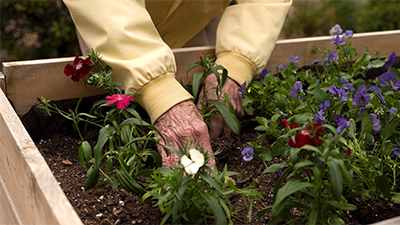
If movement is strong and exit seeking is extreme, a small scale, household model with boundary walking loops and meaningful "tasks" might carry energy much better than a big, highly structured unit. If swallowing is compromised, inquire about speech treatment gain access to and whether the kitchen can manage modified textures securely without defaulting to bland, unattractive plates that minimize intake.
What terrific appearances like
You will know a strong program by the feel of the place on a regular afternoon. A resident with pacing habits walks with a caregiver who talks about birds on the yard feeder. Another resident who normally declines showers is humming while a team member warms a towel in the dryer and has set out clothes she likes, decreasing choice fatigue. A nurse pauses to update a granddaughter by phone after a small fall, discusses the neuro check schedule, and texts an image later on of grandpa smiling at music hour due to the fact that the household asked to be kept in the loop. The activity director recognizes a group video game is fizzling and pivots to small table tasks without fanfare. Management visits spaces by name, not as a performance for visitors.
Behind the scenes, occurrence reviews cause changed practice. After 2 night falls near the exact same armchair, personnel adjust the seating strategy, include a motion light, and review transfer technique at shift huddle. The antipsychotic rate drops by 3 portion points over a quarter due to the fact that the team doubled down on pain evaluations and offered hand massages during dressing rather of rushing. When a resident with frontotemporal dementia begins grabbing food from others, staff location him at a little table near the kitchen and offer him a function setting out napkins before meals. Problems are met curiosity, not blame.
Final ideas for households making the call
Choosing memory care is an act of love that asks you to stabilize safety, autonomy, finances, and the realities of human energy. No neighborhood will be ideal. Your goal is not to discover the shiniest structure. It is to discover a team that will tell you the reality, discover your loved one's story, change when things change, and deal with daily care as a craft. Usage respite care if you require a little action first. Request for metrics. Listen at mealtimes. See deals with more than furniture. And trust your continue reading whether the people in the room light up when they speak about citizens. That belief, paired with sound staffing and systems, is the very best predictor of a great life in memory care.
BeeHive Homes of Albuquerque NM - Assisted Living Facility provides assisted living care
BeeHive Homes of Albuquerque NM - Assisted Living Facility provides memory care services
BeeHive Homes of Albuquerque NM - Assisted Living Facility provides respite care services
BeeHive Homes of Albuquerque NM - Assisted Living Facility supports assistance with bathing and grooming
BeeHive Homes of Albuquerque NM - Assisted Living Facility offers private bedrooms with private bathrooms
BeeHive Homes of Albuquerque NM - Assisted Living Facility provides medication monitoring and documentation
BeeHive Homes of Albuquerque NM - Assisted Living Facility serves dietitian-approved meals
BeeHive Homes of Albuquerque NM - Assisted Living Facility provides housekeeping services
BeeHive Homes of Albuquerque NM - Assisted Living Facility provides laundry services
BeeHive Homes of Albuquerque NM - Assisted Living Facility offers community dining and social engagement activities
BeeHive Homes of Albuquerque NM - Assisted Living Facility features life enrichment activities
BeeHive Homes of Albuquerque NM - Assisted Living Facility supports personal care assistance during meals and daily routines
BeeHive Homes of Albuquerque NM - Assisted Living Facility promotes frequent physical and mental exercise opportunities
BeeHive Homes of Albuquerque NM - Assisted Living Facility provides a home-like residential environment
BeeHive Homes of Albuquerque NM - Assisted Living Facility creates customized care plans as residents’ needs change
BeeHive Homes of Albuquerque NM - Assisted Living Facility assesses individual resident care needs
BeeHive Homes of Albuquerque NM - Assisted Living Facility accepts private pay and long-term care insurance
BeeHive Homes of Albuquerque NM - Assisted Living Facility assists qualified veterans with Aid and Attendance benefits
BeeHive Homes of Albuquerque NM - Assisted Living Facility encourages meaningful resident-to-staff relationships
BeeHive Homes of Albuquerque NM - Assisted Living Facility delivers compassionate, attentive senior care focused on dignity and comfort
BeeHive Homes of Albuquerque NM - Assisted Living Facility has a phone number of (505) 221-6400
BeeHive Homes of Albuquerque NM - Assisted Living Facility has an address of 6401 Corona Ave NE, Albuquerque, NM 87113
BeeHive Homes of Albuquerque NM - Assisted Living Facility has a website https://beehivehomes.com/locations/albuquerque/
BeeHive Homes of Albuquerque NM - Assisted Living Facility has Google Maps listing https://maps.app.goo.gl/3oqufzNUPNMqK22LA
BeeHive Homes of Albuquerque NM - Assisted Living Facility has Facebook page https://www.facebook.com/BeeHiveHomesAbq
BeeHive Homes of Albuquerque NM - Assisted Living Facility has an YouTube page https://www.youtube.com/channel/UCNFwLedvRtjtXl2l5QCQj3A
BeeHive Homes of Albuquerque NM - Assisted Living Facility won Top Assisted Living Homes 2025
BeeHive Homes of Albuquerque NM - Assisted Living Facility earned Best Customer Service Award 2024
BeeHive Homes of Albuquerque NM - Assisted Living Facility placed 1st for Senior Living Communities 2025
People Also Ask about BeeHive Homes of Albuquerque NM
What is BeeHive Homes of Albuquerque NM Living monthly room rate?
The rate depends on the level of care that is needed. We do a pre-admission evaluation for each resident to determine the level of care needed. The monthly rate is based on this evaluation. There are no hidden costs or fees
Can residents stay in BeeHive Homes until the end of their life?
Usually yes. There are exceptions, such as when there are safety issues with the resident, or they need 24 hour skilled nursing services
Do we have a nurse on staff?
Yes. We have a registered nurse on premise 40 hours/week. In addition, we have an on-call nurse for any after-hours needs
What are BeeHive Homes’ visiting hours?
Visiting hours are adjusted to accommodate the families and the resident’s needs… just not too early or too late
Do we have couple’s rooms available?
Yes, each home has rooms designed to accommodate couples. Please ask about the availability of these rooms
Where is BeeHive Homes of Albuquerque NM located?
BeeHive Homes of Albuquerque NM is conveniently located at 6401 Corona Ave NE, Albuquerque, NM 87113. You can easily find directions on Google Maps or call at (505) 221-6400 Monday through Sunday 9:00am to 5:00pm
How can I contact BeeHive Homes of Albuquerque NM?
You can contact BeeHive Homes of Albuquerque NM - Assisted Living Facility by phone at: (505) 221-6400, visit their website at https://beehivehomes.com/locations/albuquerque/ or connect on social media via Facebook TikTok or YouTube
Flying Star Cafe provides a comfortable, welcoming atmosphere suitable for assisted living, memory care, senior care, elderly care, and respite care visits.